
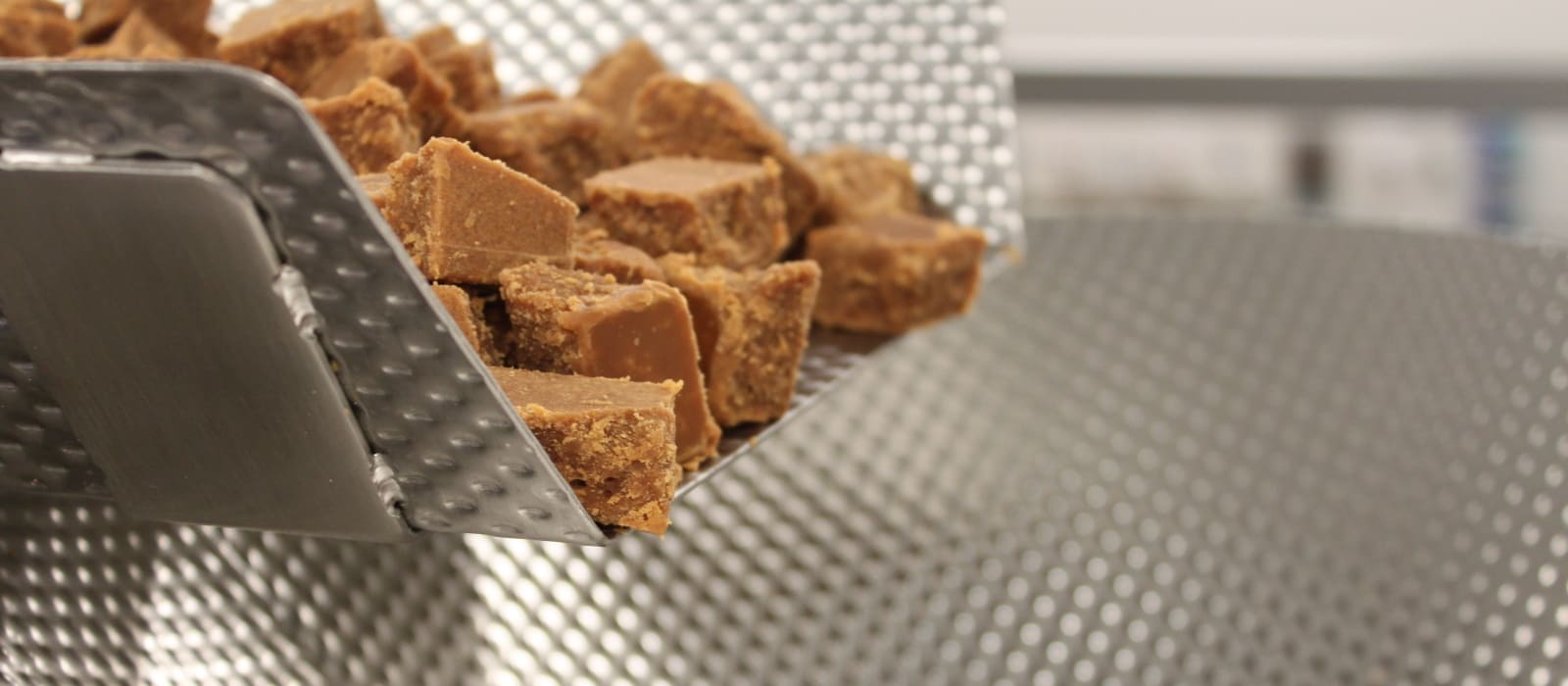

Most people eat sweets whenever the mood strikes, which is a perfectly reasonable approach. But if you're curious about whether timing makes a difference - to energy, blood sugar, or just how much you enjoy it - there's some useful research worth knowing about.
This guide covers the best and worst times to eat sweets, what happens when you eat sugar at different points in the day, and how to make a treat work with your body rather than against it.
Understanding Our Sweet Tooth
Ever wonder why we're hardwired to love a bit of sugar? It's not just because it tastes great. Our ancestors were onto something when they reached for those sweet berries - they were packed with energy, essential for survival. Fast forward to today, and science shows us that sweet flavours kick our brain's reward system into gear, releasing that feel-good chemical, dopamine. That's why a small amount of sugar lifts your mood.
But it's not all about biology. Our craving for sweets is wrapped up in emotions and memories, too. Think about it - sweets are often at the heart of our happiest moments, from birthday treats to comforting pick-me-ups. That combination of memory and biology is hard to resist.
Finding the Sweet Spot in a Balanced Diet
Sweets tend to get a bad reputation, but most nutritionists now emphasise balance over restriction. It turns out, making sweets a no-go zone can actually backfire, leading to binge eating later on.
The trick is mindful indulgence - savouring those flavours and enjoying the moment. Most importantly, having that piece of Mrs Tilly's fudge without a side of guilt. Incorporating sweets into your diet is about making smart choices. Enjoying a treat in moderation, alongside nutritious foods, can keep those sugar spikes in check and keep you smiling.
The Best Time to Eat Sweets
Indulging in sweets is a universal pleasure, but the timing of these sugary treats can significantly impact our health and well-being. With a plethora of advice available, it's crucial to turn to scientific evidence to answer the frequently asked question: when is the best time to eat sweets?
Morning
Research conducted by Professor Daniela Jakubowicz, an endocrinologist at Tel Aviv University in Israel, discovered that including a dessert as part of breakfast might aid in weight loss efforts. However, integrating sweets with a balanced breakfast containing proteins and fibres can mitigate rapid spikes in blood sugar levels, providing a more sustained energy release. This approach can be beneficial, especially if followed by physical activity.
After Lunch: The Sweet Spot?
Eating sweets after lunch might be the most opportune time, according to research. A small sweet treat as part of a balanced meal can aid in digestion and satisfy cravings without leading to significant blood sugar spikes, thanks to the preceding intake of other macronutrients. This timing allows the body to utilise the sugar more effectively as energy in the afternoon, reducing the likelihood of it being stored as fat.
Evening
The evening might not be the ideal time for sugar consumption. Nighttime is when the body's metabolism begins to slow down, preparing for rest. Eating sweets late in the day can disrupt sleep patterns. Moreover, with reduced physical activity in the evening, the chances of sugar converting to fat increase, potentially leading to weight gain over time.
Before or After Meals?
The debate over eating sweets before or after meals has long intrigued nutritionists. Consuming sweets before meals can lead to overeating, as sugar can temporarily reduce appetite control, leading to a lack of satiety signals. On the other hand, sweet dessert after meals can signal the brain that the meal has ended, helping to control further food intake. This timing also benefits from the earlier consumption of other nutrients, which helps in a more gradual absorption of sugar.
While the allure of sweets is undeniable, timing their consumption can play a crucial role in health and satisfaction. The consensus from various studies points towards moderate indulgence after lunch as the most beneficial timing. It balances satisfaction, energy needs, and metabolic health. However, individual responses can vary, and it's essential to listen to your body's signals and consult with a healthcare provider for personalised advice.
Related: Can Eating Dessert Really Help You Relax? Science Says Yes
Add Mrs Tilly's Sweets to Your Daily Delights
At Mrs Tilly's, we make handmade Scottish confectionery - tablet, fudge and macaroon bars - that's worth savouring slowly.
Tasty Pairings
Morning: Kick off your day by adding a small slice of Mrs Tilly's Scottish tablet to your breakfast routine. A bit of sweetness with your oatmeal or yoghurt can brighten up your morning.
Noon: After lunch, reach for a piece of Mrs Tilly's Scottish fudge and a cup of green tea. This duo offers a perfect pause that refreshes and satisfies.
Afternoon: Dodge the slump with a smart snack. Pair a bit of Mrs Tilly's Original toffee with some nuts or apple slices for an energy boost that keeps you going.
Wrapping Up
Our journey through the best times to enjoy sweets has shown that there's a place for treats in a balanced lifestyle. From a morning morsel that sets the stage for a great day to an afternoon pick-me-up or a post-dinner treat, it's all about timing, moderation, and savouring the flavours. Make room for sweets mindfully:
Listen to your body: Listen closely to how different treats and timings affect you. Customise your sweet moments in a way that feels good and right.
Choose quality: Choose top-notch treats like Mrs Tilly's, where the focus is on proper ingredients and memorable tastes.
Keep the balance: Mix your sweets with nutritious snacks or meals to keep things in check. For those with dietary restrictions, sugar-free options can be worth exploring.
Enjoying sweets is about savouring those small, joyful moments. Free UK delivery on orders over £30 from mrstillys.co.uk.
Frequently Asked Questions
When is the best time of day to eat sweets?
Research suggests that eating a small sweet treat after lunch is the best time. Your body is more active in the afternoon and can use the sugar for energy rather than storing it. The food you've already eaten at lunch slows sugar absorption, which helps avoid a sharp blood sugar spike.
Is it bad to eat sweets before bed?
Eating sweets late at night isn't ideal. Your metabolism slows down in the evening as your body prepares for sleep, so sugar is more likely to be stored as fat. A sugar hit close to bedtime can also disrupt sleep quality.
Should I eat sweets before or after a meal?
After a meal is better. Eating sweets on an empty stomach causes a faster blood sugar spike. After a meal, the other food you've eaten - protein, fibre, fat - slows the absorption of sugar and helps you feel satisfied with a smaller amount.
Can I eat sweets and still be healthy?
Yes, in moderation. The key is portion size, timing and quality. A small piece of handmade Scottish fudge or tablet after lunch is a world away from eating half a bag of sweets at midnight. Choose treats made from real ingredients and enjoy them mindfully.

