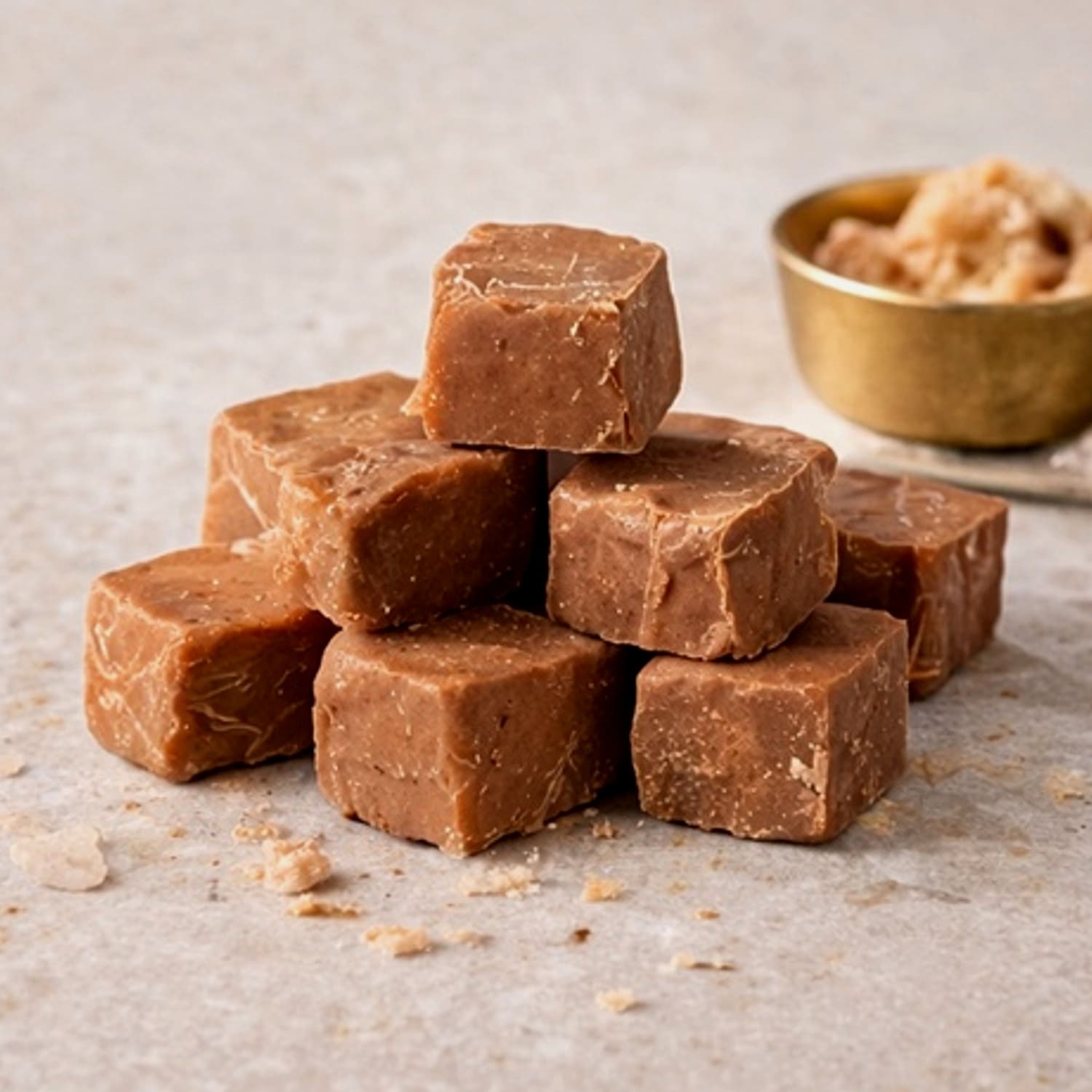

Fudge is one of the great classics of British confectionery. Soft, buttery, made from a handful of simple ingredients. But not all fudge is created the same, and the difference between a proper handmade batch and a mass-produced one is enormous.
This guide covers the things worth knowing. What fudge actually is, how it's made, the main regional styles, the most popular flavours, and where the traditional Scottish method differs from the American tradition. We've been making handmade Scottish fudge in small batches since 1997, so we've had plenty of time to think about it.
What Is Fudge?
Fudge is a soft confectionery made by heating sugar, butter, and milk (or condensed milk) to a specific temperature, then beating the mixture as it cools. The beating stage is what gives fudge its smooth, creamy texture. Without it, you end up with something closer to toffee or rock candy.
Properly made fudge should be soft enough to bite into easily but firm enough to hold its shape at room temperature. The flavour should be rich and buttery, with no sandy or grainy texture on the tongue.
Fudge ingredients
Traditional fudge needs only a few ingredients:
- Sugar. Usually granulated or caster. Brown sugar gives a richer, more caramel flavour.
- Butter. Real butter, not margarine. This is what makes the difference.
- Milk or condensed milk. Condensed milk is more common in traditional British recipes because it's already partly cooked. That shortens the process and produces a creamier result.
- Flavourings. Vanilla is the classic, but modern fudge comes in all sorts of variations.
Cheaper factory-made fudge often substitutes vegetable fat for butter and uses glucose syrup instead of sugar. It's one of the reasons supermarket fudge tastes so different from the handmade stuff.
Types of Fudge: Scottish, English, and American
Fudge varies depending on where it's made. Here are the three main styles you'll come across.
Scottish fudge
Soft, buttery, rich. Traditionally made with condensed milk, which gives it a smoother, creamier texture than the English or American versions. Scottish fudge is often confused with Scottish tablet, but they're different products (more on that below).
English fudge
Usually firmer and drier than Scottish fudge, with a more granular texture. Often made with milk rather than condensed milk, which produces a slightly less rich result. English fudge tends to be cut into larger cubes for retail sale.
American fudge
Chocolate-dominated and often studded with nuts or marshmallows. The American tradition leans heavily on chocolate and peanut butter as base flavours. British fudge typically starts with vanilla or butter and adds flavourings on top.
Fudge vs tablet: what's the difference?
Both are traditional Scottish sweets, but they're made and eaten differently.
- Fudge is soft, creamy, smooth. You bite into it easily.
- Tablet is firmer, crumblier, more intensely sweet. It snaps rather than yields.
The difference comes down to the beating process. Tablet is beaten less, cooked slightly differently, and ends up with a more crystalline structure. If you've never tried it, browse our Scottish tablet collection or read our full tablet guide.
Fudge Flavours: The Complete List
Traditional fudge starts with vanilla, but the flavour range has expanded over the years. Here are the most popular fudge flavours, including the ones we make at Mrs Tilly's.
Classic fudge flavours
- Original / vanilla. The baseline. Buttery, creamy, not too sweet.
- Sea salt. A modern take on the classic. The salt cuts through the sweetness beautifully.
- Belgian chocolate. We use Belgian chocolate for a properly rich, cocoa-forward result.
More adventurous flavours
- Malt whisky. Made with real Scotch whisky. A classic Scottish gift and a favourite among our range.
- Rum and raisin. Plump raisins and a warming rum note.
- Orange. Zesty, fresh, and works beautifully as an after-dinner treat.
Browse the full Mrs Tilly's fudge collection to see everything we make, or try the Any 3 for £8.50 small gift boxes to sample a few.
How Is Scottish Fudge Made?
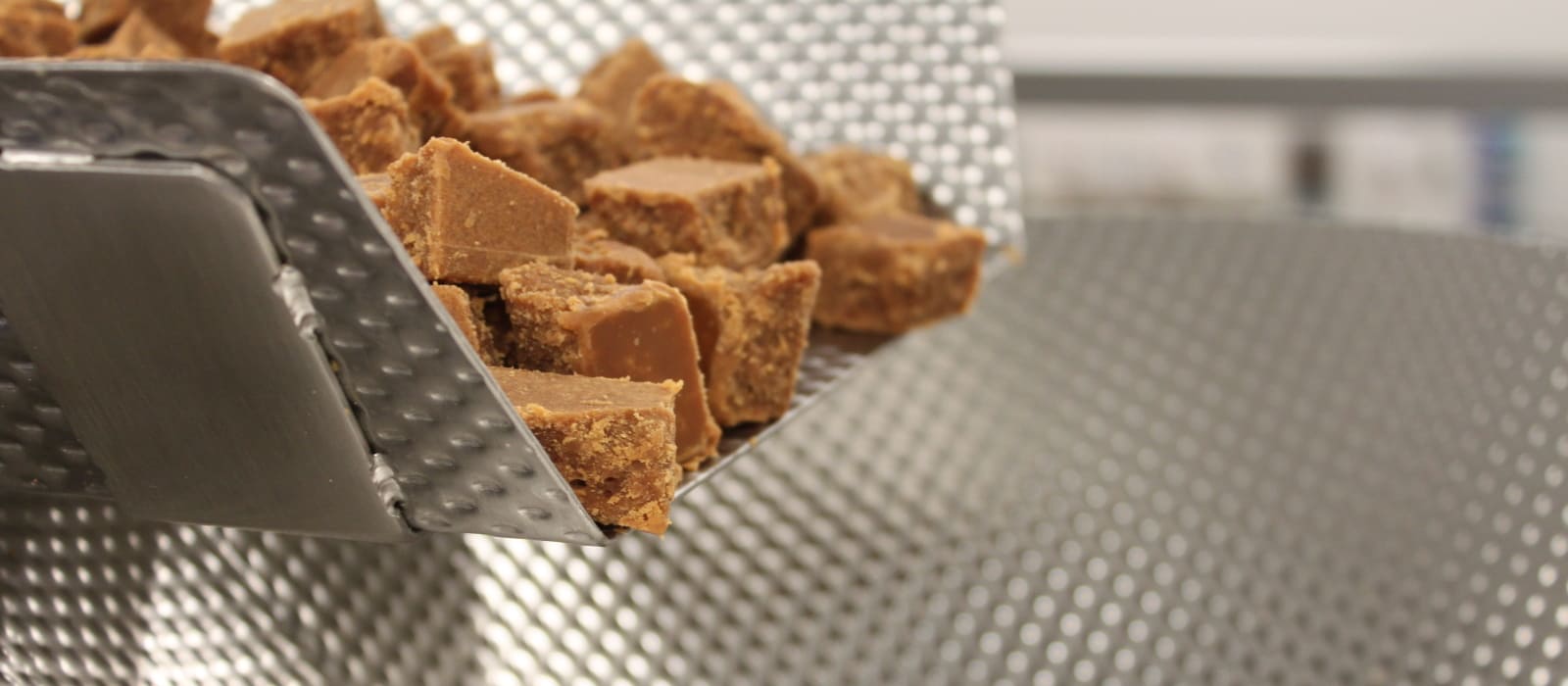
Scottish fudge is made by heating sugar, butter, and condensed milk to around 116°C (the "soft-ball" stage), then beating the mixture as it cools to produce that signature creamy texture. It takes about half an hour of active work, and a couple of hours to set.
The traditional method isn't complicated, but it does reward attention. The sugar needs to dissolve completely before the mixture reaches a boil. The beating stage is what turns sugar syrup into fudge. And a good heavy-bottomed pan matters more than you'd think.
For a more detailed walkthrough of the traditional method, see The Process of Making Traditional Scottish Fudge.
Prefer to let us do the work? Our handmade Scottish fudge uses the same traditional method, made in small batches from the same simple ingredients.
Fudge FAQ
Is fudge gluten-free?
Traditional fudge is naturally gluten-free. It's just sugar, butter, milk, and flavouring. Some commercial fudges include additives or are made in facilities that handle gluten, so always check the label. All Mrs Tilly's fudge is gluten-free.
How long does fudge last?
Properly made fudge keeps for two to three weeks at room temperature in an airtight container, or several months unopened with a best-before date. Avoid the fridge. The humidity changes the texture. Freezing is possible but not recommended; it can make the texture grainy.
Why is my homemade fudge grainy?
Graininess is almost always caused by sugar crystals forming during cooking. The fix: stir only until the sugar dissolves, then stop stirring until you hit the boil stage. Also make sure you beat the mixture for the full five minutes after removing from the heat. That's what creates the smooth texture.
Is fudge the same as toffee or caramel?
No. Toffee is cooked to a much higher temperature and sets hard. Caramel is softer and chewier than fudge, often used as a sauce or filling. Fudge sits between the two. Firm enough to hold its shape, soft enough to bite into.
Where can I buy handmade Scottish fudge online?
Mrs Tilly's has been making handmade Scottish fudge since 1997. Our full range includes classic and adventurous flavours, available in 150g gift boxes, 400g boxes, and 1kg bags, with free UK delivery on orders over £30.
What's the best fudge flavour for a gift?
If you're buying for someone who's never tried Scottish fudge, go with the original or sea salt. For Scotland-themed gifts, malt whisky fudge is a favourite. Can't decide? The Any 3 for £8.50 gift box lets them try three flavours.
Ready to Try Proper Handmade Fudge?
Browse the full Mrs Tilly's Scottish fudge range, pick out a gift box for someone special, or build your own Any 3 for £8.50 selection. Free UK delivery on orders over £30. Same-day dispatch when you order by 1pm Monday to Wednesday.